Phantom Linux OS Forums
Unfortunately no one can be told what Phantom Linux OS is - you have to see it for yourself.
You are not logged in.
- Topics: Active | Unanswered
#1 2025-10-11 13:30:51
- HugoStoate
- Member
- Registered: 2025-10-10
- Posts: 9
- Website
10 Terms to Include in Your Rental Agreement
Trademarks vs. Copyrights
- How to Set Up a Trust
- How to Create a Will
- What Is a Durable Power of Attorney
- Arizona LLC
- California LLC
- Florida LLC
- Michigan LLC
- New Jersey LLC
- New York City LLC
- North Carolina LLC
- Ohio LLC
- Pennsylvania LLC
- Texas LLC
- Contact Us
- AI Doc Assist
- Business Name Generator
- Electronic Signature
- Free Trademark Search
- Legal Glossary
- Legal Templates
Legal Help
1. Legal Forms
10 Terms to Include in Your Rental Agreement
Find more legal types and design templates
Excellent
Belle Wong, J.D.
Contents
If you're a landlord and have residential or commercial property to rent, it is very important to have actually a written rental arrangement. If you and your tenant ever have a legal dispute, your possibilities of a beneficial outcome improve if you have a written agreement.
Your rental contract, nevertheless, should consist of some basic rental terms.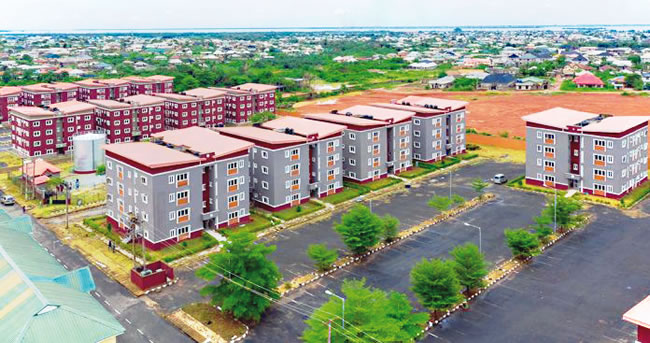
What Is a Rental Agreement?
A rental contract is a file that functions as a contract between you and your renter, specifying the regards to the occupancy. You can have it composed in a method that is beneficial to you due to the fact that you can decide what goes into the arrangement.
Most rental agreements are short-term arrangements, such as month-to-month tenancies, while lease arrangements are usually for longer rental periods, such as 6 months, a year, or more.
A rental contract is a good idea if you wish to ensure your tenant is dependable or if you're renting a space in a home in which you're living. It's easier to end a month-to-month tenancy than a long lease.
How to compose a rental contract

A month-to-month rental contract should include specific arrangements so that the contract secures you. It's often helpful to have a lawyer prepare a rental arrangement for you, even if it's just a one-page file, specifically if you're a newbie property owner.
Numerous arrangements can be consisted of, however a fundamental rental agreement must consist of at least the following 10 terms:
Identify the parties to the agreement and the address of the residential or commercial property you own. Ensure you consist of the name of every renter living at the residential or commercial property and their contact details. Include your name and contact information and the address of the residential or commercial property. Describe the residential or commercial property if it doesn't have a number. For example, if it's a space in a house, you can state that the residential or commercial property is the "third-floor bedroom" if there's just one bedroom on that floor. Be accurate.
The regard to the tenancy and how it ends. List the length of time the term is, such as a month-to-month rental or a three-month leasing. Start the rental term on the very first of the month. Include how much notice you and the tenant should give if either of you wants to end the arrangement. Consult a lawyer or your regional structure department about particular laws governing how much notice of termination you and the tenant need to provide for short-term or month-to-month contracts.
Rent and down payment. State just how much the lease is per month and where and how the tenant need to pay the rent. If you'll take credit cards over the phone, state that. If you desire the occupant to send out a rent check each month, offer the address. Include the amount of any late costs, however make sure they're not extreme. Also, list the amount of the security deposit. Check with your regional building department about limits on just how much you can gather for a down payment and late fees.
What's included with the rental. State whether you're offering any energies, such as electric, gas, heat, and cable. Alternatively, state the renter's obligation for energies. Be clear about what's included in the rent and what isn't. If you're offering devices and furnishings, list them by name, such as a dishwasher, stove, fridge, bed, and couch.
Pets. State whether family pets are allowed, what types, how numerous, and what, if any, additional charges apply. State clearly that the occupant can not bring any other type of animal if you desire to limit the type of animal. You can likewise select to have a no-pet policy. State that in the rental arrangement.
Each occupant's name and the variety of occupants. If you don't want additional occupants, state that the occupant is the only person enabled to inhabit the facilities. List all residents and state, for instance, that no more than two individuals might inhabit the rental. State that this contract is in between you and your tenant only and that the renter might not sublease or designate the rental.
Landlord's access to the residential or commercial property for repairs, upkeep, and inspection. State what notice you'll provide to go into the premises for repairs other than emergency repairs. Many regional communities have their own notification requirements, while some states have constant requirements throughout the state, so discuss this with your attorney or regional structure department. State that the tenant's failure to give you access for required repairs is a ground for termination. Also, state what the occupant is accountable for fixing.
Rules of the occupancy. List what you anticipate of the tenant, such as no illegal activities, no smoking on the premises, and no noise after a particular hour. State that you can end the arrangement if the occupant stops working to abide by the tenancy guidelines and that the occupant is accountable for legal costs if you need to take the tenant to court to implement the agreement.
Damaged residential or commercial property. State that the occupant is responsible for damages aside from routine wear and tear. Include that the tenant must return the facilities in "broom-clean" condition. State that the occupant is responsible for legal fees if you take the occupant to court for damaged residential or commercial property.
Signatures. You and the occupant need to sign and date the agreement at the bottom.
So long as you have these terms in your rental arrangement, you're securing yourself in the event your tenant is someone you no longer want to rent to. The rental arrangement supplies an easy way for you to get them to move out and reveals what they're accountable for if they do not leave voluntarily.
This post is for educational functions. This content is not legal suggestions, it is the expression of the author and has actually not been evaluated by LegalZoom for precision or changes in the law.
You may likewise like
Company
About.
Careers.
Contact.
Investors.
Press.
Partner with us.
Support
Order status.
Customer Care.
Speak to a lawyer.
Join our attorney network.
Security.
Learn more
Business & Legal assist resources.
Business Name Generator.
Legal type templates.
What is an LLC?
How to Start an LLC?
How to Change Your Name.
What is a DBA?
Most Profitable Small Company Ideas.
What Is a Registered Agent?
How to Conduct a Trademark Search.
How to Discover if a Service Name is Taken?
© LegalZoom.com, Inc. All rights reserved.
LegalZoom offers access to independent attorneys and self-service tools. LegalZoom is not a law practice and does not provide legal guidance, except where licensed through its subsidiary law practice LZ Legal Services, LLC. Use of our products and services is governed by our Regards to Use and Privacy Policy.
Feel free to visit my page; homes
Offline