Phantom Linux OS Forums
Unfortunately no one can be told what Phantom Linux OS is - you have to see it for yourself.
You are not logged in.
- Topics: Active | Unanswered
#1 2025-10-14 02:51:21
- WHXFlorene
- Member
- Registered: 2025-10-14
- Posts: 2
- Website
What is a Sale-Leaseback?
Every profession has its own unique terminology and commercial real estate (CRE) is no exception. CRE is filled with hyphenated and compound terms that convey concepts in shorthand, and "sale-leaseback" is among among the most colorful and least comprehended.
What is a Sale-Leaseback?
According to Mark Fornes, president of Mark Fornes Real Estate, Inc., based in Dayton, Ohio, this transaction is brought out mostly to "raise cash that might be better in the operation of the service than connected up in the real estate possession."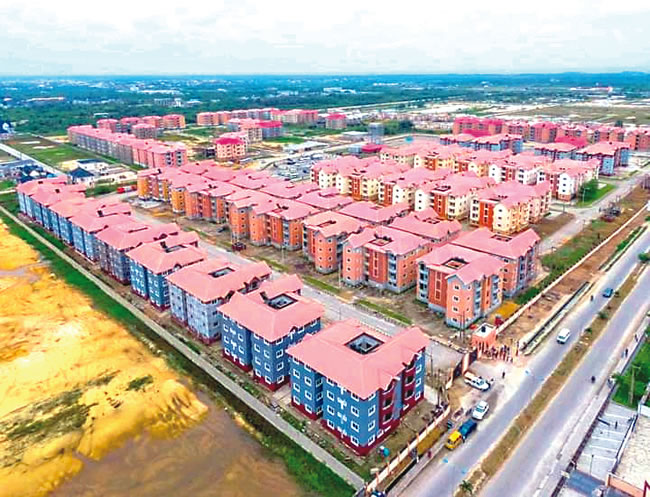
How Does it Work?
In a sale-leaseback deal, business offers a possession, such as a residential or commercial property or equipment, to a third-party investor. The investor then leases the possession back to business for a specified amount of time. The business makes regular lease payments to the financier, which can be structured to fit their spending plan and capital needs.
Who Carries Out a Sale-Leaseback?
A sale-leaseback can be carried out by a small organization that owns and works out of just one building or by a big corporation with countless workers that owns and inhabits numerous residential or commercial properties across lots of markets. In either case, the overarching objective is to monetize their genuine estate asset.
With a smaller sized company, the motivation to start a sale-leaseback may be an opportunity to open additional offices or places. The money infusion can assist fund those efforts and a lease arrangement with the brand-new building owner allows the organization to continue to run from its existing location.
For a big company, Larry Fitzgerald, a commercial realty broker based in Northern Virginia with Newmark Knight Frank, stated that the enticement might be the realization that a building "is a non-essential possession and they desire to get it off their balance sheet." Instead of having equity connected up in the realty, the company can produce liquidity, reallocate the funds and stay in the building.
Think of this as having your cake and eating it too: you sell your building and take the cash, while avoiding the interruption of relocating your organization, thus remaining easily accessible to customers, staff members, providers, etc.
To see real life examples, check out prospective sale-leaseback chances in your location to discover residential or commercial properties with in location occupants and stable rental earnings.
Commercial Real Estate For Sale
Common Industries That Use Sale-Leasebacks
Sale-leasebacks are particularly popular in asset-heavy markets where business own important property but wish to redeploy capital. A few of the most regular users include:
Quick Service Restaurants (QSRs) - Franchise operators convert equity in owned places into growth capital.
Healthcare - Medical workplaces and outpatient centers lower ownership problems while remaining operational.
Retail Chains - Grocery stores and big-box retailers open capital from owned stores.
Industrial & Logistics - Warehouse and storage facilities generate income from owned land while preserving supply chain control.
Hospitality - Hotels unload property to investors while continuing to operate the brand name.
These sectors value the ability to remain in place, keep client gain access to, and fund growth without handling new financial obligation.
Seller Motivations Beyond Cash
How Sale-Leasebacks Affect Your Balance Sheet
A sale-leaseback permits a company to raise capital without handling brand-new debt or diluting equity. Instead of scheduling a liability, the sale produces money and eliminates the asset from the balance sheet. Lease payments end up being business expenses, possibly enhancing financial ratios like return on properties (ROA) and debt-to-equity. This structure makes it a hybrid financing tool, offering liquidity while keeping utilize low.
For both small and large companies, there are additional reasons beyond monetary incentives for initiating a sale-leaseback.
Focus on objective not real estate. In many cases, company operators simply wish to get out of the realty organization. Owning, operating and maintaining a property property can be an unneeded burden, specifically for company owners that want to focus exclusively on their business mission. Many do not have the skills, interest or capability to shovel snow from walkways and parking area; display and pay utilities, insurance coverage and taxes; or continuously fix things that break or wear.
Flexibility. The need for flexibility, either instantly or in the future, is another significant motorist of sale-leasebacks. Companies both huge and little watch as conditions affecting their businesses alter and places enter into or fall out of favor. Leasing space enables business to expand and contract as necessary.
However, while they will not have the obligation of handling and maintaining a structure, this versatility will present threats when the lease ends. Rental rates will likely be greater, the space the company desires might not be offered, and the hassle of moving might be very disruptive for clients and staff members.
Applicable to Retirement as Well as Corporate Strategy
Sale-leasebacks are tools that help business of all sizes, from entrepreneurial companies with principals getting ready for retirement to corporations constantly strategizing and handling their possessions.
Lump amount and capital. For a little company, this kind of deal generally takes location when a small organization, like a law firm or a dining establishment, has operated from a structure it has actually owned for several years. The long-time business/building owner wishes to continue to run their company because area and wishes to convert the equity they have accumulated in the asset into money.
Fitzgerald offered the copying. Consider a business owner that owns both a structure and the running company operating in it. She offers her ownership stake in the structure to an investor and her operating business leases the residential or commercial property back from the new buyer. Fitzgerald said, "It's typically a scenario where the building ownership desires to monetize the possession. Maybe the individual who owns [the building and the business] is approaching retirement," so she wants to generate income from the physical asset to get a swelling sum for retirement, however keep ownership of the operating company, to maintain an income stream.
Corporate strategy and mitigating threats. A sale-leaseback can be part of a bigger corporate property strategy that totally reorganizes a realty portfolio by getting rid of, getting and renting properties in markets throughout the world. Some big company owner start sale-leasebacks, occasionally or on an ongoing basis, as part of a total realty approach that allows them to modify their genuine estate portfolio as service needs change.
Corporate genuine estate departments are charged with following economic and employment trends so they can easily access competent employees, basic materials or other resources that are necessary for a company to operate. They are also expected to follow real estate market conditions so they can enhance when to enter, restore or exit a market and sale-leasebacks are tools that assist them do this. Timing a structure purchase, sale or lease arrangement perfectly is almost difficult, but selling a structure and renting it back years in advance of a planned departure alleviates the dangers connected with selling in future unidentified market or financial conditions.
Key Conditions for a Buyer
What makes a sale-leaseback attractive to a buyer? Fornes recognized four core attributes: a long-lasting lease, a creditworthy renter, a multiple-use structure, and a strong location-each of which supports foreseeable earnings and long-lasting asset value.
Buyer Requirements Summary
In a perfect circumstance, a sale-leaseback develops liquidity and fosters flexibility for entrepreneur, while enabling them to concentrate on their core mission. At the very same time, it offers residential or commercial property owners with a stable rental income stream and a long-term tenant in location.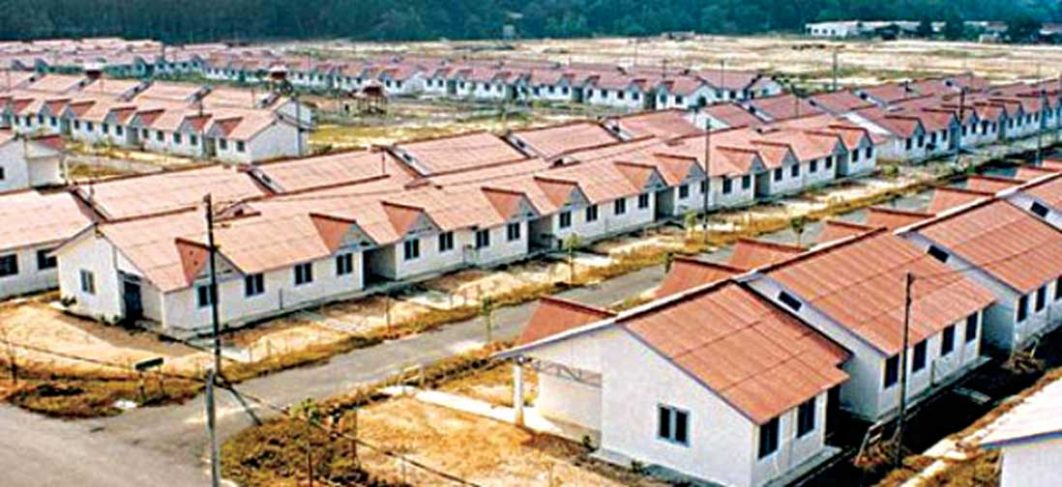
my site :: properties
Offline